



Renovations can be exciting, especially when it’s the project you’ve always wanted to achieve. Before going to the store and buying all your materials, the first thing to create is a home renovation budget to help you achieve a successful renovation.
What affects renovation costs?
Deciding on the extent of your home improvement will help you build a more realistic renovation budget. Renovating can be a major expense, but you can change the final costs with what you do.
The following considerations can help you adjust according do your needs and plans:
Type of renovation
Although there are more than three ways to improve your home, the most common changes are usually in the kitchen, bathroom, and basement.
- Kitchen—from changing the appliances to demolishing and replacing the cabinetry, kitchen renovations are some of the most impressive improvements to a home. A kitchen renovation can cost from $30,000 to $100,000.
- Bathroom—if you’re renovating your bathroom, it may include changing the vanity, replacing the toilet, or updating the colour of the walls. Depending on the size and extent of the project, some bathroom renovations can cost as much as $50,000.
- Basement—many Canadian homeowners increase the functionality of their homes by turning their basements into suites they can rent out or into cozy spaces for themselves.
Each kind of renovation varies in cost. If you combine several renovations, the cost will accumulate, but they can increase the value of your home.
Size of project
With major renovations, the total cost can be high. Knowing how big your renovation is going to be can help you set your expectations and review your financial situation accordingly.
- Basic—even the simplest changes to the house can feel refreshing. This level of home improvement is the most economical, and you might spend anywhere from $500 to $10,000.
- Mid-range—the most common home renovations fall under mid-range, usually costing several thousand dollars but not more than $100,000. For example, the average bathroom renovation costs about $30,000.
- High-end—not only does this include full makeover renovations, but they can also mean more luxurious changes. Some examples of high-end renovations include adding a pool in the backyard or changing the house’s interior structure, which can cost over $100,000.
Additional elements
After you decide how much of your home you’ll renovate, you need to determine what else your renovation will need.
- Materials—choosing the right materials is important because cheaper materials may require replacements every few years, while pricier ones are not ideal for your budget. Rather, focus on finding materials that are still good quality while being budget friendly.
- Professional labour costs—hiring general contractors, electricians, plumbers, or other professional services can increase your need for a bigger budget. If you have a kitchen or bathroom renovation project, hiring contractors can speed up the process.
- Permits—before you start any project, confirm with your municipal if you need any permits for the renovation you have in mind. Depending on what you’re doing, permits can cost between a few hundred to a couple thousand dollars.
Tips as you create a realistic budget
As you finalize your budget, the following tips can help you stay on track and may even help you save money.
- Give your budget buffer room—anything can happen during the renovation process. Allow your budget to accommodate unexpected expenses like extra materials or an urgent fix.
- Stick to your original plan—while you know your budget has extra room, remember to use it only for urgent situations rather than see it as an opportunity to spend.
- Compare different contractors—every contractor is different, and some may have promotions at the time. Offers and quotes will be different, so browse through different ones until you find a contractor that balances budget and quality.
- Determine what you can do—one way to decrease your expenses is by doing some of the renovations yourself. If your renovation includes demolition or changing sink fixtures, you may be able to do them yourself.
Developing a renovation budget
Once you have a better idea of how you’d like to change your house, you can follow the next steps to create your ideal budget.
Step 1: Choose which projects to prioritize
While passion projects can be fun and more personalized, renovations to prioritize include anything that needs urgent replacement or repair and renovations that increase your property’s appraised value. If your house has poor ventilation or outdated appliances and design, having them as the main priority can be best for your budget.
Step 2: Calculate home renovation costs
Taking what you know about what influences the final house renovation cost, start estimating how much you’ll spend. If you have quotes from contractors, they’ll provide the estimations for you to incorporate them with your budget.
Finalizing your budget may involve research until you find something you’re satisfied with. You can adjust your total by choosing a different kind of flooring material or buying elements from different stores.
Step 3: Determine how you’ll finance the renovations
When you know how much you’ll need for your specific renovation plan, you’ll also know the best way to finance the home renovation costs. You can mix different methods, such as using a loan for a basement renovation but the money you’ve saved for minor details.
Ways to finance your home renovation project
You can finance the renovation plans in several ways. The following three examples are a few common methods.
Savings
Using your savings is a flexible method to fund your renovation project because there’s no lender you have to repay with interest. However, saving for a large-scale renovation takes time, and you may not achieve your goals in the ideal amount of time.
Setting aside money specifically for a renovation can be helpful for minor renovations like repainting the walls or changing the flooring. If your plans for your house involve changing entire rooms, financing a different way would be more beneficial.
Unsecured personal loans
For those who have simple renovation projects, unsecured personal loans may offer the right amount they need. Unsecured personal loans are a common type of financing, and they can come from traditional financial institutions and some alternative lenders.
Unsecured personal loans can be challenging to get approved for. Borrowers must have a good credit score and a steady source of income to get approved for one. Without at least meeting the minimum required credit score, the loan offer can come with high interest rates or small loan amounts.
Home equity loans
Not many homeowners realize that their property offers one of the best financial tools. If you’re a homeowner and have lived in your home for a significant amount of time, you’ve built equity in your home. With the help of alternative lenders like Alpine Credits, you can access your home equity as a loan.
Your home equity is the appraised value of your house minus the outstanding mortgage balance amount. The more of your home you’ve paid for, the more equity you have and the more you can borrow. With Canada’s rising housing values, you could borrow hundreds of thousands, which you may need for your renovations.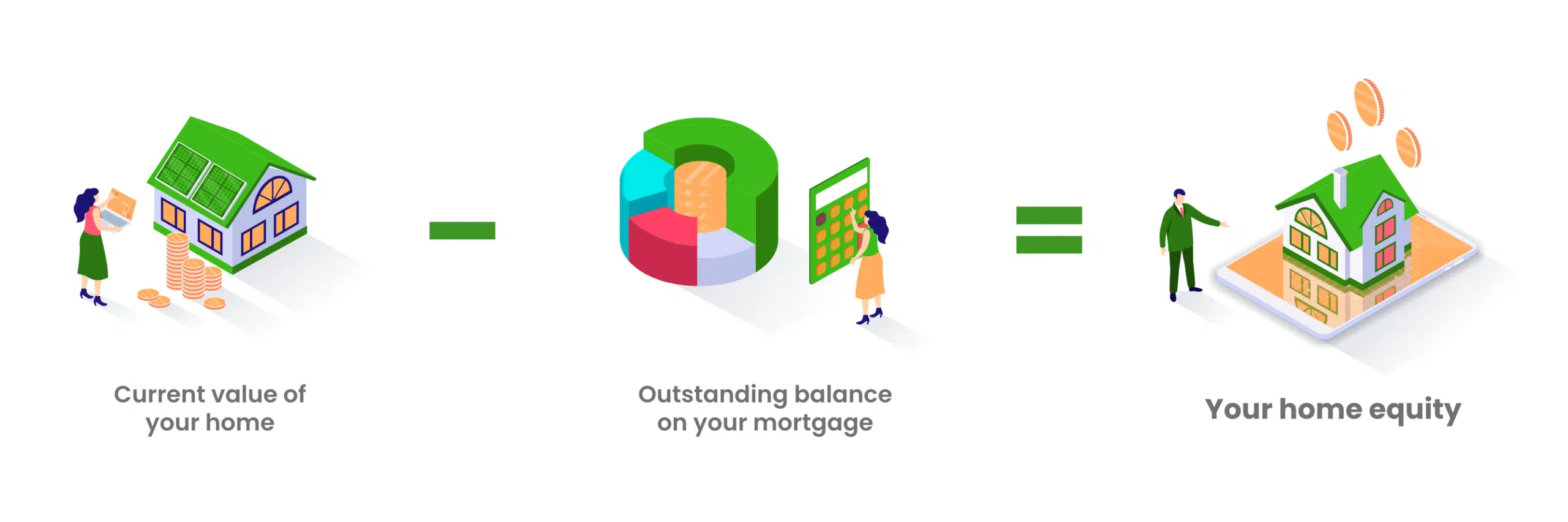 Home equity loans offer a flexible budget through larger loan amounts than unsecured personal loans and comparatively lower interest rates than credit cards. To get approved for one at Alpine Credits, you’ll only need to have enough equity in your home rather than a strong credit score.
Get access to your home equity with Alpine Credits
If you need access to a large loan amount with reasonable interest rates and flexible eligibility criteria, consider getting a home equity loan with Alpine Credits. The process is simple and can be broken down into three steps.
- Apply online—you can finish the application within a few minutes. The most important detail is how much equity you have in your home. You don’t need to demonstrate a strong credit score or steady income.
- Get approved—you’ll hear from Alpine Credits within a few hours about your application. If you have at least 25% equity in your property, you’re eligible for a home equity loan.
- Renovate your home— you’ll receive the funding within three days of getting approved for the loan. With the flexibility that home equity loans offer, you can use them for any renovation needs, like materials or contractor costs.
If you have more questions, contact Alpine Credits and speak with a Financial Solutions Specialist. They are experts on home equity financing and can guide you through applying for a home equity loan.
You can worry less about house renovation costs with Alpine Credits’ simple home equity financing. Your home renovation budget has more room, allowing you to create your dream home.
Frequently asked questions
How much does it cost to renovate a house in Canada?
Renovating costs are different between provinces in Canada and are usually measured per square foot. On average, you’ll spend more per square foot for renovations in BC than you would for house renovations in Saskatchewan.
How to update your house on a budget?
If your budget limits you to basic renovations, some simpler home updates include replacing the light fixtures, repainting the walls, and adding features such as crown moulding. Since there are changes that most people can make, you also save money by doing it yourself.
How do you know if you can afford a renovation?
If you’re choosing a loan to fund your home renovation, one way to determine if it’s affordable is through the monthly payments and debt-to-income ratio.
What is the price range for renovation?
Renovations can cost between $500 to $1 million, depending on your vision for the house. More extensive projects and quality materials will mean a bigger budget. If you’re determined to see your plans through, home equity loans are available for those with enough equity and big home renovation ideas.