



Thinking about consolidating multiple bills, renovating your home, or funding a large personal expense? Remortgaging your home may be for you. Here’s what you need to know about remortgaging and how Alpine Credits can unlock the financial flexibility you need.
What Is A Remortgage?
Also known as mortgage refinancing, a remortgage loan involves ending your existing mortgage contract and starting a new one. Whether the new mortgage amount is equal to or greater than the current mortgage amount, remortgaging allows homeowners to take advantage of better interest rates, adjust a new loan term, or access additional funds.
In Canada, you can borrow money from the equity you have in your home. The loan amount will depend on the lender’s limits and your equity value. The more home equity you have, the more financing you can access. 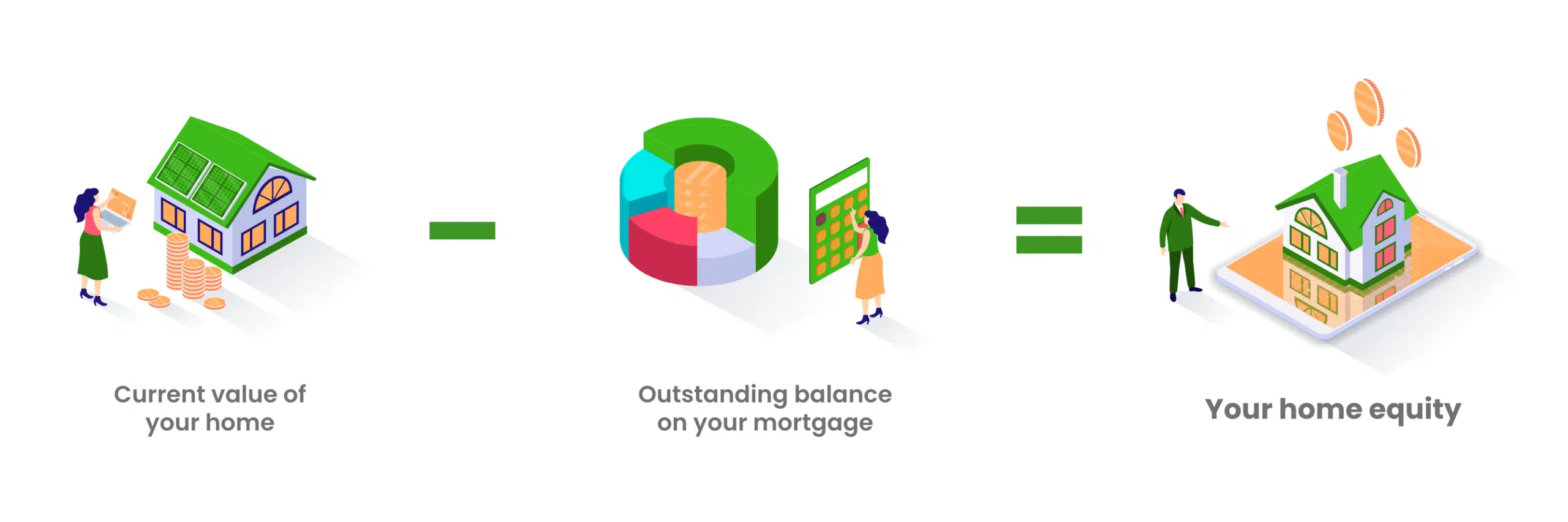
How Does Remortgage Work in Canada?
Generally, mortgages in Canada have a fixed period or term, ranging from one to five years. At the end of this term, you may refinance with your current lender or a new one and negotiate a new set of terms, including better interest rates, to pay for the remaining principal (current mortgage balance).
Remortgaging involves refinancing anywhere between the start and end of your term, which means there may be a prepayment penalty. This is why remortgaging at the end of your term is usually cheaper than when you do it in the middle of the term, as it may help you avoid closing fees and prepayment penalties.
Here’s how remortgaging typically works:
- The lender will check the remaining balance from your existing mortgage. They’ll also do a credit check.
- You’ll turn in any required financial documentation and pay for an appraisal.
- The loan will go through a mortgage underwriting process, which will be completed in an average of 30 to 45 days.
Remortgaging scenario:
Sarah has a five-year mortgage with a 4% interest rate. The existing balance is $200,000 and the current monthly payment is $1,500.
During her mortgage, Sarah made several improvements to her home collateral, increasing its value over time. By the time she reached the fifth year of the mortgage, Sarah noticed that interest rates had dropped to 2.5%.
Sarah then started shopping for new lenders and found a lender that could accommodate this new interest rate. Moreover, she was able to use her increased equity to borrow an additional $50,000 to fund a business idea.
By remortgaging with a new lender, Sarah has not only made significant savings on her monthly payments (now at $1,200/month) due to the lower interest rate but also made use of her equity to build a new business.
Remortgage Vs Refinancing
Remortgage and mortgage refinancing refer to the same thing, since they both involve paying off an existing loan and replacing it with a new one. Remortgaging allows you to borrow money against the equity in your home.
Benefits of remortgaging your home
Every new remortgage contract has different features and benefits tailored to individual circumstances. Depending on your lender and your specific situation, some of the following advantages are:
-
Lower interest rates
Many homeowners remortgage to take advantage of changing mortgage rates. If market rates have decreased since you took out your original mortgage, remortgaging allows you to end your current mortgage contract and secure a lower fixed rate, leading to substantial savings over time.
-
Smaller monthly mortgage payments
With a new contract and a lower interest rate, you can save money on lower monthly payments. This reduction can free up cash flow for other expenses, investments, or savings, enhancing overall financial flexibility.
-
Shorter amortization periods
Some homeowners will have their financial situation change, and they can contribute higher mortgage payments. By remortgaging, you can opt for a shorter amortization period, allowing you to pay off your mortgage faster, which can lead to considerable interest savings over the life of the loan.
-
Utilize additional home equity
As property values rise, homeowners often find themselves with increased equity. The value of your home determines the amount of equity you can access. Remortgaging enables you to tap into this equity for various purposes, such as funding home renovations, consolidating high-interest debts, or investing in other opportunities.
In summary, remortgaging your home can offer numerous benefits, from lowering interest rates to cashing in on your home equity. However, it’s essential to carefully assess your financial situation, goals, and the terms of any new mortgage to ensure that it aligns with your long-term objectives.
When To Remortgage Your Home
Since remortgaging not only gives you the option to negotiate better loan terms and access your equity as cash, you may consider remortgaging in the following scenarios:
Financing home renovations
If you want to give your home a full makeover, one way to fund the project is to access your home’s equity through a remortgage.
Consolidating high-interest debt
Credit card debt from different lines and loans from several lenders can mean a large part of your income goes to pay the interest. Borrowing from your home can provide more than enough to satisfy outstanding debts.
You can reduce the number of monthly payments you have, reduce your interest, and focus on repaying one consolidated loan instead of multiple.
Buying another piece of property
Whether an investment property, a vacation house, or additional family homes, your equity can help you pay a down payment for another property.
Saving for the future
You can also keep the funds as a future investment. Some homeowners use their home equity to put into their RRSP. If you’re already retired, you can still use your home equity to support your retirement as additional income.
How Can I Remortgage My Home?
- Compare different mortgage deals—you can choose a different lender or stay with the same one. You can also decide between a fixed or variable mortgage.
- Complete your previous mortgage—you will have to contact your lender and inform them of your decision. Remember that they may present you with prepayment or legal fees and closing costs if you end your agreement before it ends.
- Apply for a remortgage—depending on the lender, you may opt to include the costs associated with ending the previous mortgage in the new mortgage payments.
- Start your new mortgage contract—once approved, you receive your funds and start repaying according to your new agreement.
Access Home Equity And Remortgage With Alpine Credits
If you find that it’s time to remortgage and you’re looking for a new lender, you can apply for home equity financing from Alpine Credits. Unlike traditional lenders, the main qualifying factor is how much equity you have in your property.
- Apply online—filling out an application takes a few minutes. You don’t need to provide your credit score or employment status. All you need is the amount of equity you have.
- Get approved—if you own at least 25% of your home, you are eligible for a home equity loan from Alpine Credits.
- Remortgage your home—once you have access to your equity, you can use the funding for any purpose, including debt consolidation or home renovation.
Get a free, no-obligation quote today by contacting one of our Financial Solutions Specialists.
Frequently asked questions
When can you remortgage?
You can remortgage at any point during your mortgage term, but you’ll have to meet the lender’s criteria. Depending on the lender, you may need to have the minimum amount of equity or meet a certain loan-to-value ratio.
Is remortgaging a good idea?
Remortgaging can be a good idea if the new mortgage offers better rates, reduces payments, or provides access to additional equity. However, always consider fees and your financial situation before deciding.
Is remortgaging the same as refinancing?
Remortgaging and refinancing refer to the same thing: ending your existing mortgage contract and starting a new one with your current or new lender.
Will my mortgage go down when I remortgage?
Yes, your mortgage payments may drop, especially if you secure a lower interest rate or a longer mortgage term.
How many times can you remortgage your house?
There’s no set limit to how many mortgages you can place on a house, but remortgaging is a significant decision. It’s essential to determine if your financial situation can manage multiple remortgages.