



If you’re looking for ways to improve your credit score in 2025, multiple options are available. So whether you’re rebuilding from past missteps or optimizing an already solid score, these strategies can help you open doors to better loan terms, lower interest rates, and financial flexibility for your goals.
1. Make on-time payments
The most effective strategy for boosting your credit score is to ensure you pay your bills on time. Payment history makes up a significant chunk of your credit score, so late payments can harm your credit rating.
To stay on track, consider setting up automatic payments, especially for utility bills, or signing up for email or text reminders to inform you of upcoming due dates. If you cannot pay the full balance, make at least the minimum payment by the specified due date each month to avoid additional fees.
TIP: You’re entitled to a free credit report from each of the major credit bureaus—Equifax, Experian, and TransUnion—so take advantage of this by requesting a free copy at least once a year.
2. Keep credit utilization rate low
To manage your credit effectively, avoid exceeding your credit limit. Additionally, monitor your credit card balances regularly and keep your balance low relative to your available credit limit to demonstrate responsible credit behaviour.
Using no more than 30% of your available credit is also advisable. This approach helps maintain a healthy credit score and positions you favorably with lenders. For example, if you have a $10,000 credit limit, you should aim to keep your balance below $3,000 at any given time.
TIP: You can request a credit limit increase to maintain a healthier credit utilization ratio. Higher credit limits can help improve your credit utilization. For example, if your limit increases to $15,000, your existing $3,000 balance would represent a 20% utilization rate instead of 30%.
3. Maintain old credit accounts
The duration of your credit history affects your credit score, as lenders prefer to see a prolonged history of responsible credit use. Keeping old credit accounts open, even if you no longer use them, can help maintain a more extended credit history and boost your overall creditworthiness.
TIP: If your unused credit card charges an annual fee, you can request the issuer to downgrade to a no-fee version rather than closing the account.
4. Limit credit checks
Credit inquiries come in two forms: “soft” and “hard.” Soft inquiries, like checking your credit report, don’t impact your credit score. However, a few hard inquiries—such as applying for a loan or renting a home—in a short amount of time can negatively affect your score.
TIP: When rate shopping for major loans (e.g., mortgages, auto loans), submit all applications within a 14-day window, as some credit scoring models typically count multiple inquiries for the same loan type as a single event.
5. Diversify your credit types
A strong credit mix of different credit products, such as credit cards, loans, and mortgages, can benefit your score and positively impact your credit profile. If you only have one type of credit and are seeking a new loan, consider diversifying your credit mix by adding a new credit account.
TIP: If you want to build or improve your credit history, you can also ask a trusted family member to add you as an authorized user to their older, well-managed credit card account. When the credit card company reports the account’s activity to the credit bureaus, it can help you establish a positive credit history—especially if the primary account holder has a good credit score and a track record of making on-time payments.
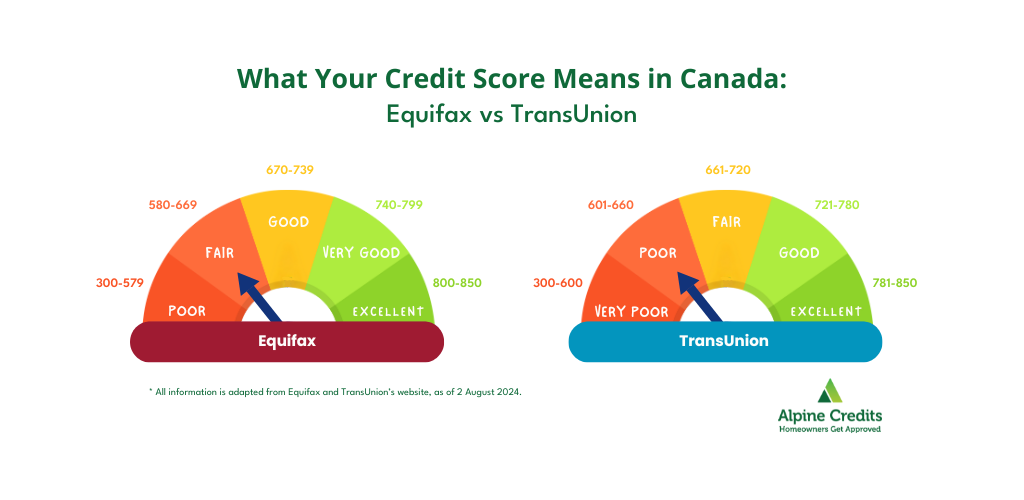
Why your credit score matters
Credit scores are essentially a measure of how reliable you are with credit, like grades reflect your performance in school. However, unlike grades, credit scores have a far-reaching impact that can affect your current and long-term financial goals.
Financial institutions like banks and credit unions can review your credit report and score to decide if they will lend you money. They can also use this information to determine how much interest they will charge you. It could even affect your ability to rent a house or get hired for a job.
What are the factors that affect your credit score?
Credit scores generally consider several vital factors, such as:
- Payment History: Timely bill payment is crucial. Your score reflects the duration and frequency of missed or late payments.
- Amount Owed: This includes the total debt across all accounts, the balance on specific types of accounts, and the percentage of available credit you’ve utilized.
- Types of Credit: Having various credit accounts (like credit cards, retail accounts, mortgages, and installment loans) and the total number of accounts you have can impact your score.
- New Credit: Frequent applications for new credit or loans within a short timeframe can lower your score, especially if your credit history is relatively short.
- Length of Credit History: Your score is affected by the age of your oldest and newest accounts and the average age of all your accounts.
Different scoring models may weigh these factors differently, so your credit score can vary based on the model used. However, understanding how your credit score is calculated and which factors are most important in a particular scoring model can help you focus on improving your credit score effectively.
How long does it take to improve your credit score?
According to the Financial Consumer Agency of Canada, credit scores typically adjust within 30 to 90 days after a significant event that affects your credit. Think of building your credit as a long-term project rather than a quick fix. While some actions can help you improve your credit quickly, negative factors such as late payments, missed payments, and negative information like unpaid balances or accounts sent to a collection agency can slow your progress.
Use your credit wisely and develop good habits—such as paying bills on time and keeping outstanding balances low—to help you steadily build and sustain a strong credit profile over time.
Consolidate multiple debts and improve your credit score with Alpine Credits
With Alpine Credits, you can get all the help you need to consolidate your debt and improve your credit score. By converting high-interest revolving debt (like credit card bills) into a structured home equity loan, you can:
- Reduce your credit utilization ratios – a key part of your credit score.
- Create a single predictable schedule to simplify payment.
- Add loan diversity to your credit mix.
Interested in tapping into your home equity? Homeowners can access up to 75% of their home equity through our streamlined process:
- Apply Online – You can submit your application online without providing your credit score or income history. Just share the value of your home equity.
- Get Approved – If you’re a homeowner with equity in your property, you’re eligible for a home equity loan. Lenders may also consider your bank account balances when assessing your eligibility.
- Use Your Funds Freely – Once approved, you can use the funds for debt consolidation, home renovations, or property investment. The choice is yours.
Contact a Financial Solutions Specialist at Alpine Credits today for more information or to get a free, no-obligation quote.
Frequently Asked Questions (FAQs)
What’s the quickest way to fix your credit score?
Concentrate on reducing your credit utilization by paying off existing revolving debt and consistently making timely payments. These two elements impact your credit score the most, so focusing on them could lead to noticeable improvements.
How to increase your credit score quickly in Canada?
There are several ways to increase your credit score. You can boost your credit score quickly by reducing your credit utilization ratio and challenging any incorrect charges on your report.
What is the average credit score in Canada?
Credit scores range from 300 to 900 in Canada, with the average score typically around 650 or so.