



Homeowners across Canada have unique financial situations, and sometimes traditional forms of financing are not enough to address them. To access the financial support they need, many homeowners often opt for alternative financing options.
If you’re a homeowner in Canada who needs additional financing, read on to see the different ways you can fund your financial goals.
What is alternative financing?
Loans are usually obtained from traditional financial institutions, but other sources of funding outside of them are referred to as alternative financing. It can offer quicker and more accessible financial solutions compared to banks that have strict criteria and long processes.
How does alternative financing work?
You can usually find alternative financing from non-bank lenders. They offer financial solutions when traditional bank loans are either too challenging or insufficient to meet your needs.
Alternative financing may be able to offer the same funding opportunities as traditional lenders do, like unsecured and secured personal loans. However, the key difference is that they are more tolerant of lower credit scores and high debt-to-income ratios.
Not only do alternative lenders provide funding opportunities to people with various financial histories, but they also give you the chance to improve your financial situation. With alternative forms of financing, you can reestablish healthy financial habits.
Where you can use alternative forms of financing
Alternative financing is flexible, and the following are only some of the possible ways you can use the money.
Renovating your home
If you want to give your home a fresh and new look but are considering how to fund it, your property’s value can provide you with the funds.
Renovations can cost several thousand dollars, depending on the extent of your plans. Some secured alternative financing options have lower interest rates than credit cards and unsecured personal loans with potentially lower monthly payments.
Consolidating debt
Multiple debt obligations like credit cards and personal loans can result in paying more interest and potentially missing a payment. To reduce your interest rate and monthly payments, you can consolidate them all with a home equity loan from an alternative lender.
Establishing a business
Whether you’re an established business owner or you’re just about to start a new business, alternative financing can provide the support your business needs to thrive.
If you have a less-than-ideal credit score and a high debt-to-income, banks might not want to offer you a business loan. But with an alternative loan secured with your house, you can potentially get hundreds of thousands of dollars, so you can use it to drive meaningful business growth.
Funding other goals
You can accomplish more with alternative financial solutions. If you have plans for you or your children to get post-secondary education or if you have urgent expenses, alternative loans can be the funding you need.
Benefits of alternative financing
Compared to traditional bank loans, alternative financing offers the following advantages.
Quicker processing time
Banks can take weeks or months to process applications for traditional loans, potentially postponing your needs and plans. With alternative lenders, you can get approved within a few days of applying.
Flexibility
Some bank loans are limited to what they can be used for. For example, renovation loans are only for renovating and business loans can only be used for your business.
With alternative financing solutions, you have more flexibility than traditional loans and can use the money for any reason. Whether you have multiple purposes or have one major investment, alternative lenders can provide the funding.
Easier approval criteria
Alternative lenders are less likely to use your credit score and financial history to determine if you qualify for a loan. One example is home equity loans, which primarily depend on the amount of equity you own rather than your financial history.
Potentially more funding
Traditional lenders use your credit score not only to determine your approval but also to finalize a loan amount to offer. With some alternative funding options, your loan amount depends on other factors.
Home equity loans are an example of alternative loans where the amount depends on your equity. Depending on the lender, owning at least 25% can be enough to qualify you.
Examples of alternative financial products
You have a handful of options to choose from once you decide that alternative lenders are the solution to your needs and goals.
Private credit
This is issued to businesses or individuals who may not have easy access to funds through traditional financing channels or might prefer to work with a lender who can offer more flexible terms and faster loan processing. These lenders could be an individual or a non-institutional group.
Secured personal loans
A secured personal loan is a lump sum you can use for most purposes. To get one, you’ll need to provide an asset as collateral, and the value of the loan you receive depends on the value of your collateral. You can use your vehicle, house, land, or other valuable assets as collateral.
Getting approved for secured personal loans is simpler because lenders feel more confident when you offer collateral to secure the loan.
Home equity loans
They are general-purpose loans that are secured against your home property, meaning they are a type of secured loan.
If you have paid for either a portion or your entire house, you’ve built equity in your property. You can calculate your equity by subtracting your outstanding mortgage balance from the appraised value of your home. 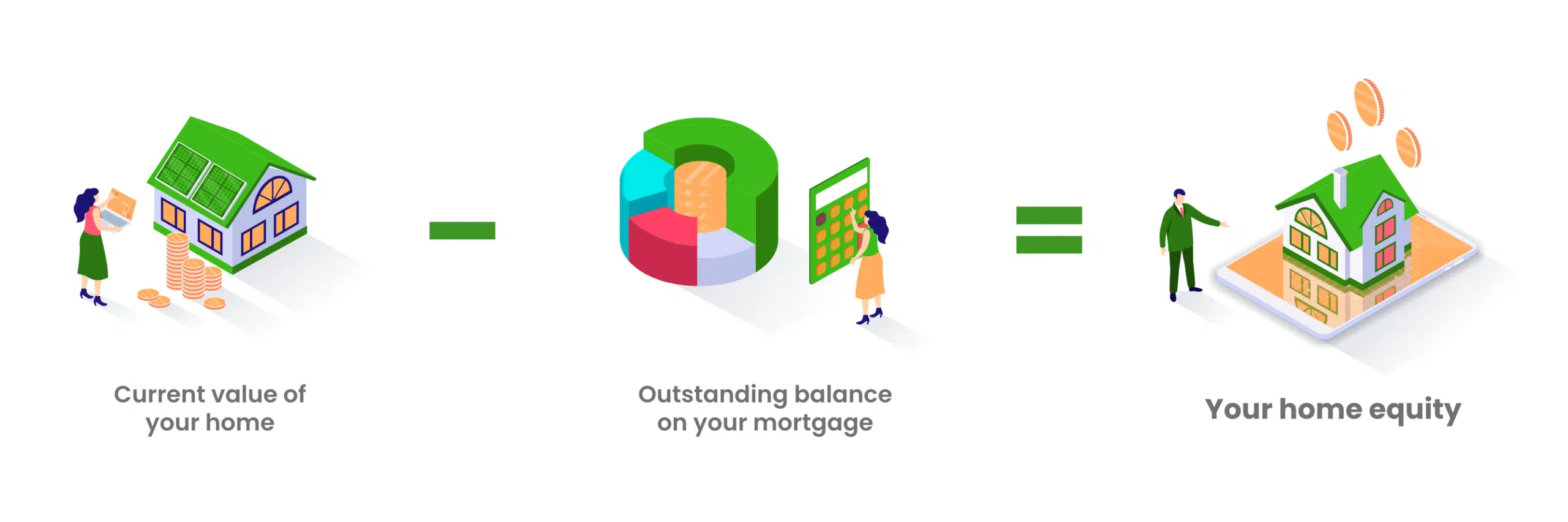 Home equity loans are reliable forms of funding because they offer the most value compared to unsecured loans. If you own at least 25% of your home, you can get a loan worth up to 75% of your equity, which can be a lot with Canada’s rising housing values. You can also use them for any purpose.
Qualifying for alternative forms of financing
If you choose a home equity loan from an alternative lender as your financing option, qualifying for it is significantly different from qualifying for a bank loan. Rather than demonstrating your creditworthiness, the most important part is demonstrating you have enough equity in your home.
| Bank loans | Alternative financing home equity loan |
|
|
Alternative funding options with Alpine Credits
With Alpine Credits’ home equity financing, you can accomplish the goals you have planned. Applying for a home equity loan is simple, and you can do it in three steps.
- Apply online—the application with Alpine Credits is simple, allowing you to finish it within minutes.
- Get approved—not long after you apply, you’ll receive the application results. Sometimes, you can get approved as quickly as 24 hours.
- Receive funding—Alpine Credits will directly deposit the money in your bank account within a few days of getting approved.
If you have more questions, you can ask a Financial Solutions Specialist at Alpine Credits. Contact one of the experts on the team to get a free, no-obligation quote.
Frequently asked questions
What are the alternative methods of financing?
Some alternative financing methods include private loans or home equity loans from alternative lenders.
What is the most popular form of alternative financing?
One popular type of alternative financing is a home equity loan. You could potentially borrow hundreds of thousands of dollars without having to meet strict eligibility criteria. As long as you have enough equity, you could get approved.
Why are alternative lenders important?
Alternative lenders are important because they offer financial solutions to people who find it challenging to get approved for a loan from traditional financial institutions. Everyone should have the opportunity to get the financial support they need, and that’s where alternative lenders come in.
What is the primary goal of alternative financing?
The primary goal of alternative financing is to accommodate homeowners who require additional funding when they are unable to get one from the bank. They offer other ways to get approved, like home equity loans that qualify you based on your equity.